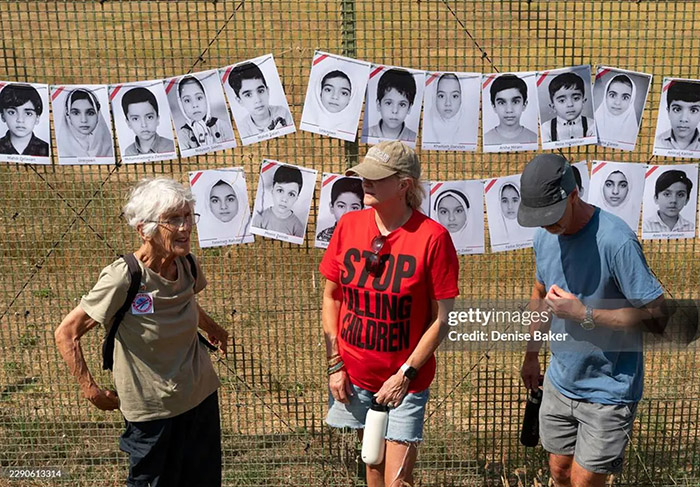
The protest also reflects concerns about escalation. Military confrontation between major powers can develop in unpredictable ways. What begins as a limited operation may trigger retaliation or a wider conflict. In such circumstances, countries that initially believed they could remain on the sidelines may find themselves increasingly involved.
This is one reason anti-war activists often emphasize prevention rather than reaction. Once a major conflict has begun, political leaders may face pressure to respond to attacks, protect allies, or defend military personnel. Preventing military escalation before it begins may therefore be easier than trying to end a war after hostilities have started.
The protesters’ call for Britain to stop cooperating with attacks against Iran can consequently be understood as part of a broader demand for de-escalation. They want British policy to reduce, rather than increase, the possibility of a wider conflict.
Their demonstration also sends a message to the British public. Many citizens may be unaware of the precise roles played by military facilities in international operations. By gathering at Fairford, activists seek to make those connections more visible. They want people to understand that foreign policy decisions are not abstract events occurring somewhere far away. Military infrastructure located in Britain can become part of international conflicts, and those decisions can have domestic consequences.