Research into this important but sometimes overlooked part of film history has been the subject of serious academic and historical attention. One of the researchers associated with the study of this subject is Majid Fadaei, the author of History of Mobile Cinema in Iran. His work focuses on the development of mobile film screenings both internationally and within Iran. According to Fadaei, the book is the result of research into the history and evolution of mobile cinema and the ways in which films were brought to audiences outside conventional theaters.
The subject was not merely an academic interest for him. Fadaei has explained that his fascination with mobile cinema began during his childhood. This personal connection eventually developed into a long-term professional and intellectual interest. Even during his high school years, he was involved in activities related to mobile cinema. His experience was not limited to theoretical research or historical study; it was also connected to practical work.
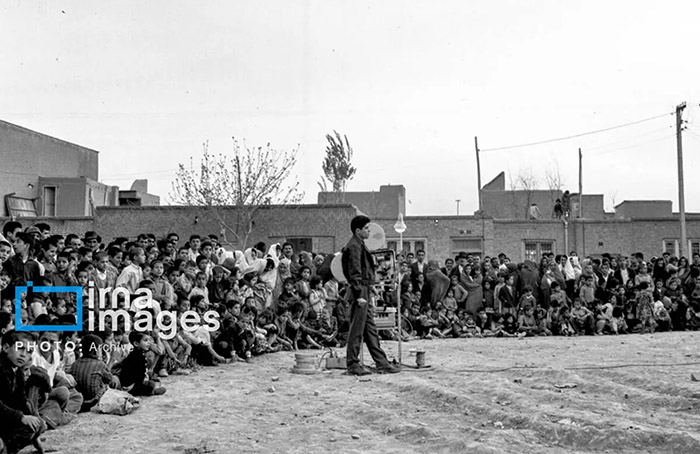
According to his account, mobile cinema was used to show films in surrounding villages and cities. During the years of war, mobile cinema equipment was also used to screen films for soldiers and fighters. This demonstrates the flexibility of the medium. Mobile cinema could serve different purposes depending on the historical moment. It could entertain audiences, provide education, distribute information, strengthen morale, or simply offer people a temporary escape from the difficulties of everyday life.