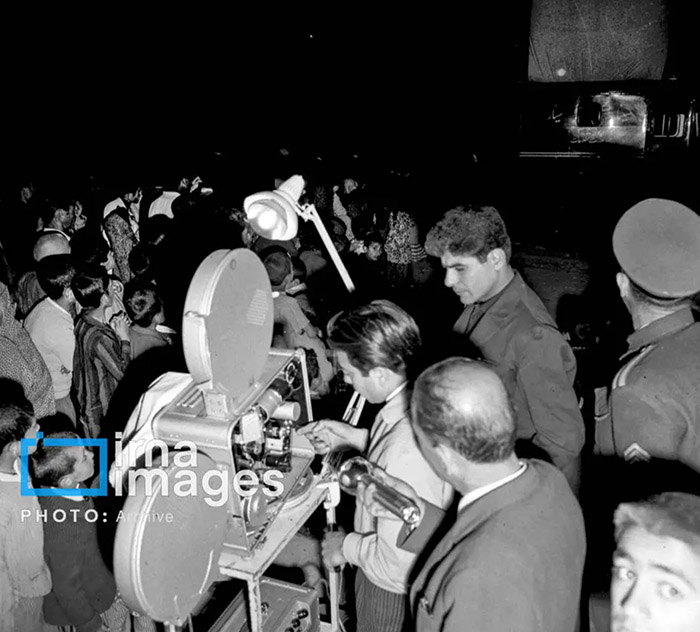
The historical development of mobile cinema therefore belongs to the larger story of technological change. Improvements in cameras and projection systems made film production and exhibition increasingly practical. Later developments in portable equipment expanded the possibilities even further. As technology became smaller, more reliable, and easier to transport, it became possible to bring cinema into environments that previously would have been difficult or impossible to serve.
The importance of mobile cinema increased in countries and regions where access to permanent theaters was limited. In large nations with significant rural populations, the distance between cities and villages created cultural inequalities. Mobile film units could reduce this distance. They allowed cultural organizations and institutions to reach audiences who might otherwise remain disconnected from cinematic life.
In Iran, this function was particularly significant because of the country’s geographical diversity and the differences between major urban centers and smaller communities. Mobile cinema provided an opportunity to introduce films to people in villages, small towns, and neighborhoods that lacked permanent theaters. In this sense, it contributed to the democratization of film culture.