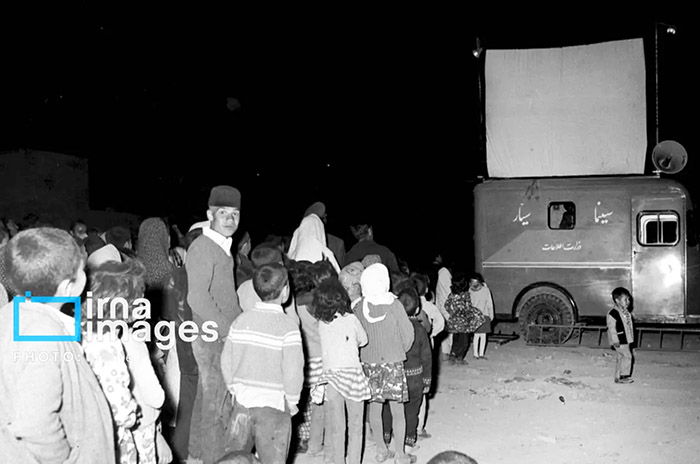
As a result, reconstructing this history requires the use of different types of sources. Fadaei drew upon historical books, published reports, written documents, and interviews with individuals who had worked in the field. Oral testimony was particularly valuable because many of the people involved in mobile cinema possessed direct knowledge of how the system operated. Their memories could provide information about the transportation of equipment, the selection of films, the technical challenges of outdoor screenings, and the reactions of audiences.
The process of historical research is especially important in preserving experiences that might otherwise disappear. As generations pass, personal memories can be lost, equipment can be destroyed, and documents can become difficult to locate. Books and archival collections therefore play an essential role in protecting cultural history. The study of mobile cinema in Iran is an example of how historians can recover aspects of the past that are not always represented in the dominant narrative of national cinema.
When people think about film history, they often focus on famous directors, celebrated actors, important films, and major movie theaters. These subjects are undoubtedly important, but they do not tell the complete story. Cinema also depends on projectionists, technicians, drivers, organizers, cultural workers, and countless others who make it possible for audiences to encounter films. Mobile cinema brings these less visible figures into the history of the medium.