Introduction
In the heart of Tehran, life moves forward with a quiet determination that outsiders often struggle to understand. Beneath the surface of ordinary routines—morning commutes, bustling markets, shared tea in small cafés—runs a current of uncertainty shaped by geopolitics, fragile diplomacy, and a two-week truce that feels as temporary as a passing breeze.
The ceasefire, announced by Donald Trump and brokered through Pakistan, has offered a brief pause in escalating tensions between the United States and Iran. Yet for the millions who call Tehran home, the truce is not peace—it is a suspension, a fragile silence between louder storms.
A City That Refuses to Pause
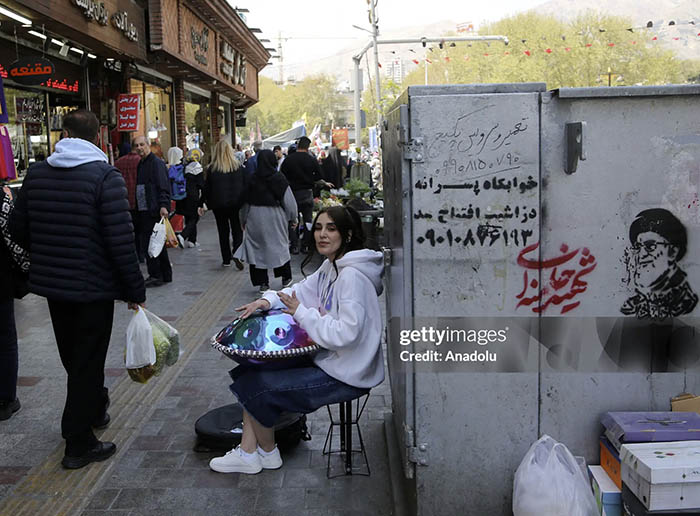
Tehran is not a city that stops easily. With a population of over eight million, it pulses with energy, contradiction, and resilience. Even under the shadow of potential conflict, daily life continues with a rhythm that feels almost defiant.
Markets remain open, especially the historic corridors of the Tehran Grand Bazaar, where merchants call out prices and customers negotiate over spices, fabrics, and electronics. The scent of saffron and grilled kebabs lingers in the air, mixing with exhaust fumes and the hum of traffic.
But beneath the familiar sensory landscape, there is a shift—subtle, yet unmistakable. Conversations are quieter. Phones buzz more frequently with news alerts. People glance upward more often, as if expecting something to break the fragile calm.