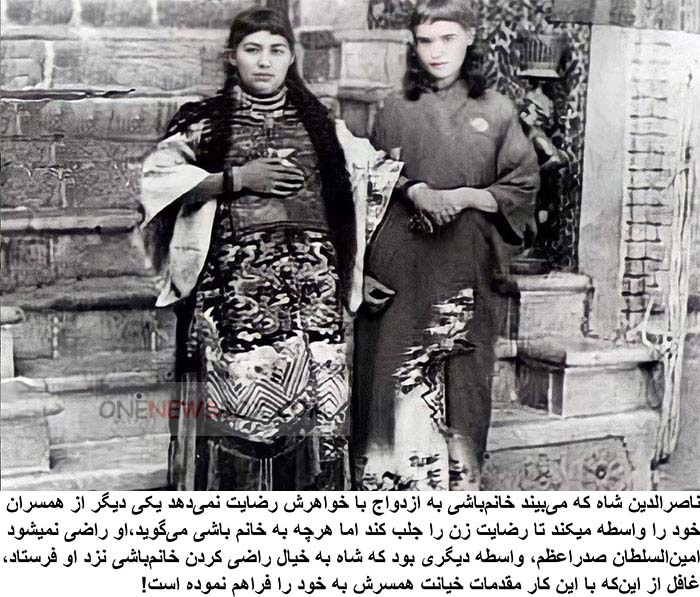
His final prime minister was Ali Asghar Khan, who after the shah’s assassination aided in securing the transfer of the throne to Mozaffar al-Din.In 1852 Naser al-Din dismissed and executed Amir Kabir, the famous Persian reformer. With him, many believe, died the prospect of an independent Persia led by meritocracy rather than nepotism.
In the later years of his rule, however, Naser al-Din steadfastly refused to deal with the growing pressures for reforms. He also granted a series of concessionary rights to foreigners in return for large payments. In 1872, popular pressure forced him to withdraw one concession involving permission to construct such complexes as railways and irrigation works throughout Persia.