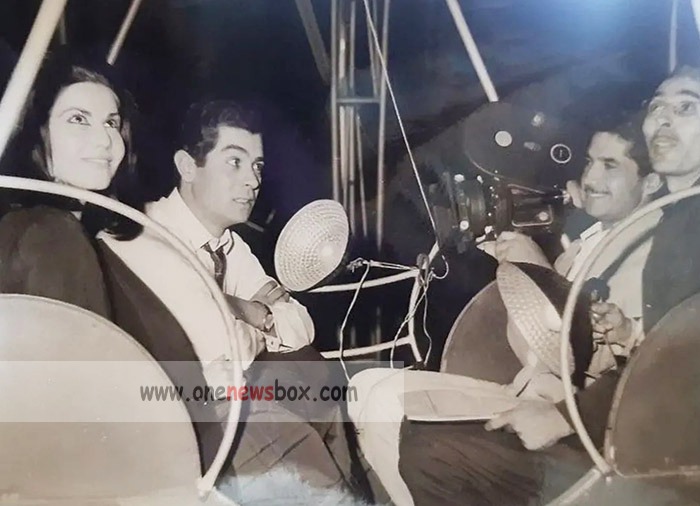
Released in 1966, Goodbye Tehran (Khodahafez Tehran) stands as one of the notable works of Samuel Khachikian, one of Iran’s most influential filmmakers. Known for pioneering the film noir and thriller genres in Iranian cinema, Khachikian used his artistic versatility to explore a wide range of human emotions and moral complexities. With Goodbye Tehran, he shifted from his usual suspense-driven narratives to a deeply emotional and romantic story centered on love, loss, and rediscovery — a reflection of the personal and social transformations of Iran in the 1960s.
At its core, Goodbye Tehran is a melodrama that intertwines the themes of unspoken affection, personal sacrifice, and the transformative power of love. It tells the story of Azar, a young woman whose silent love for her master, Behrouz, evolves into a journey of pain, healing, and rebirth. The narrative unfolds against the backdrop of Tehran’s urban modernity and the turmoil of war, blending personal emotion with broader social shifts. Through the intertwined lives of its protagonists, the film captures a pivotal period in Iranian cultural consciousness — when the old and new worlds coexisted in tension, and identity was constantly being redefined.

Check Also
The early years following the opening of Mehrabad Airport
Mehrabad International Airport (IATA: THR, ICAO: OIII) is one of the most important airports in …