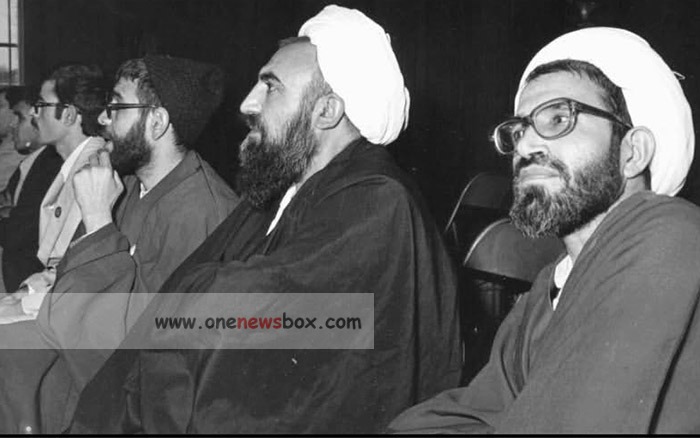
By 1977, growing domestic and international criticism placed significant pressure on the Iranian government. Human rights organizations increasingly documented allegations of arbitrary arrests, torture, restrictions on freedom of expression, and politically motivated prosecutions. International media outlets regularly reported on legal controversies within Iran, while domestic intellectuals, lawyers, university professors, and religious leaders voiced similar concerns. Although the government introduced certain limited reforms during this period, many critics considered these measures insufficient to restore judicial independence or constitutional governance.
Legal professionals became one of the earliest organized groups to express public dissatisfaction with the political system. Lawyers advocated restoration of constitutional guarantees, judicial autonomy, and respect for due process. Judges similarly voiced concern regarding executive interference and administrative pressures affecting judicial decision-making. These professional criticisms carried substantial credibility because they originated from individuals with firsthand experience of the legal system.
As political unrest expanded throughout 1978, members of the legal profession increasingly participated in demonstrations, petitions, professional associations, and public debates calling for reform. Many lawyers offered legal assistance to political prisoners or publicly criticized emergency security measures. Others joined broader coalitions advocating political liberalization, constitutional government, and respect for civil liberties. Their participation reflected a growing belief that meaningful judicial reform required broader political change.