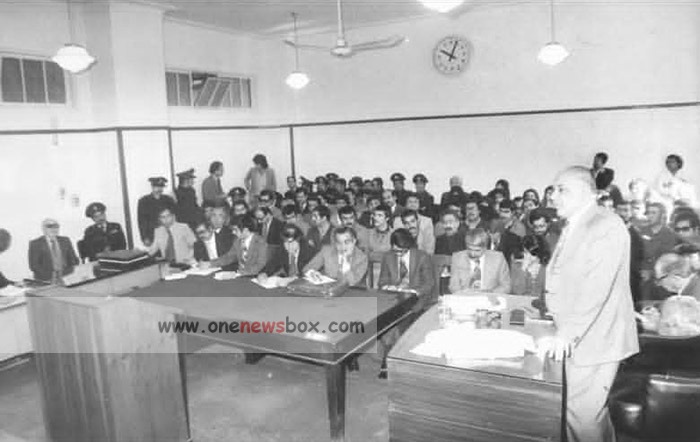
During the final years of the Pahlavi monarchy, political control over professional organizations also intensified. Judges, lawyers, civil servants, and many other professionals reportedly experienced growing pressure to demonstrate loyalty to the government. One controversial aspect of this policy involved expectations that public officials join the Rastakhiz Party, established in 1975 as the country’s sole legal political party. Membership became effectively mandatory for many state employees, including individuals working within the judiciary. Critics argued that compulsory political affiliation was fundamentally incompatible with judicial neutrality because judges should remain independent from partisan political organizations.
The requirement that judges participate in the ruling party reinforced public perceptions that judicial institutions no longer functioned independently. Rather than serving as neutral arbiters between citizens and the state, the courts increasingly appeared to many observers as instruments supporting the existing political order. This perception further weakened public confidence in the judiciary and contributed to broader dissatisfaction with state institutions.