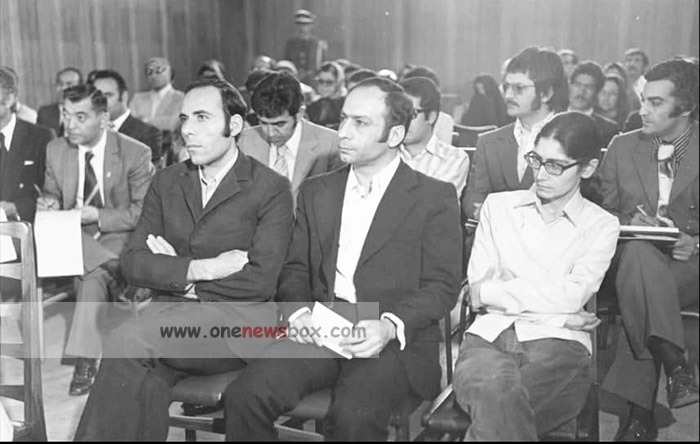
The judiciary’s declining credibility became one factor contributing to the broader revolutionary movement that ultimately culminated in the collapse of the Pahlavi monarchy in February 1979. Although economic, political, religious, and social factors all played significant roles in the revolution, dissatisfaction with the administration of justice formed an important component of public criticism. For many Iranians, the perception that courts no longer protected constitutional rights undermined confidence in the state’s overall legitimacy.
Historical assessments of the Pahlavi judicial system remain diverse and sometimes contested. Some scholars emphasize institutional modernization achieved during the twentieth century, including expansion of legal education, codification of laws, professionalization of judges, and administrative reforms. Others acknowledge these developments while arguing that political interference increasingly limited their practical effectiveness. According to this interpretation, modernization of legal institutions occurred alongside centralization of executive authority, producing a judiciary that possessed modern organizational structures but reduced institutional independence.
The experience of military courts occupies a central position within these historical debates. Supporters of the government’s policies often argued that extraordinary security threats required exceptional judicial mechanisms capable of protecting national stability. Critics, however, contend that military jurisdiction over civilians undermined constitutional safeguards and facilitated political repression.