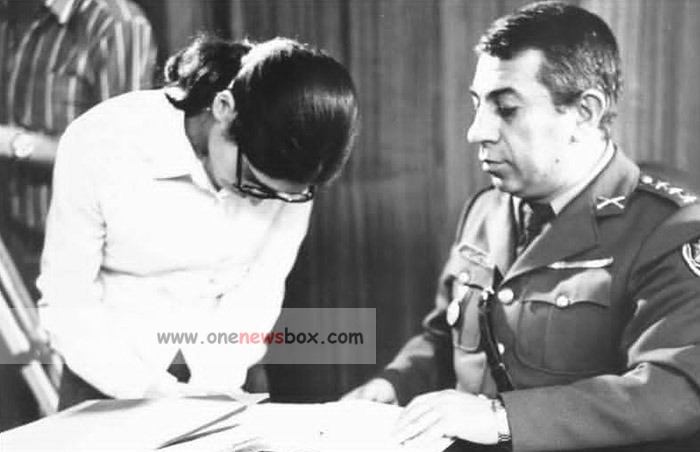
The trials of members of the Tudeh Party also illustrate the expanding role of military tribunals in political affairs. During the 1950s, many members of the party, including civilian political leaders, military officers, intellectuals, and activists, were prosecuted before military courts. Large numbers of defendants received severe prison sentences, while others faced execution. Critics argued that the proceedings lacked the procedural safeguards expected in ordinary criminal courts and that defendants had only limited opportunities to present effective legal defenses. The extensive reliance on military jurisdiction reflected the government’s perception that political dissent constituted a security matter rather than a normal legal issue.
The Freedom Movement of Iran similarly experienced judicial repression during the 1960s and 1970s. Members of the organization, including prominent political and religious figures, were arrested for criticizing government policies and advocating constitutional reforms. Their cases were likewise transferred to military courts despite their civilian status. Many legal scholars have questioned the legality of these proceedings, arguing that ordinary civilian courts should have retained jurisdiction over political offenses involving civilians.