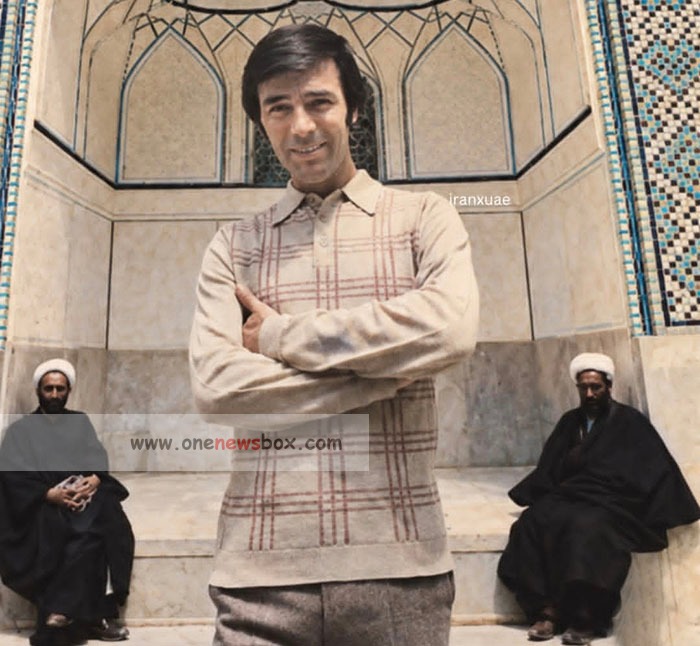
By the 1970s, Iran’s urban fashion scene had become increasingly diverse. Mini skirts and maxi dresses, bell-bottom trousers, fitted jackets, platform shoes, and long hairstyles reflected the influence of global youth culture. Nevertheless, these trends did not represent the experiences of every Iranian. Differences in geography, economic circumstances, age, personal beliefs, and access to international products shaped how people dressed.
Understanding fashion in pre-revolutionary Iran therefore requires examining not only the clothes themselves but also the political, economic, and cultural circumstances that influenced their development. The fashion of the 1960s and 1970s offers an important perspective on a society negotiating the relationship between tradition and modernity.
1. Historical Background: Modernization and Social Change
The development of modern fashion in Iran was closely connected to broader processes of modernization that had begun decades before the 1960s. During the twentieth century, Iranian governments introduced reforms intended to transform education, infrastructure, industry, and public life. These changes affected clothing practices, particularly in urban areas, where new schools, workplaces, commercial establishments, and entertainment venues created opportunities for different forms of dress.