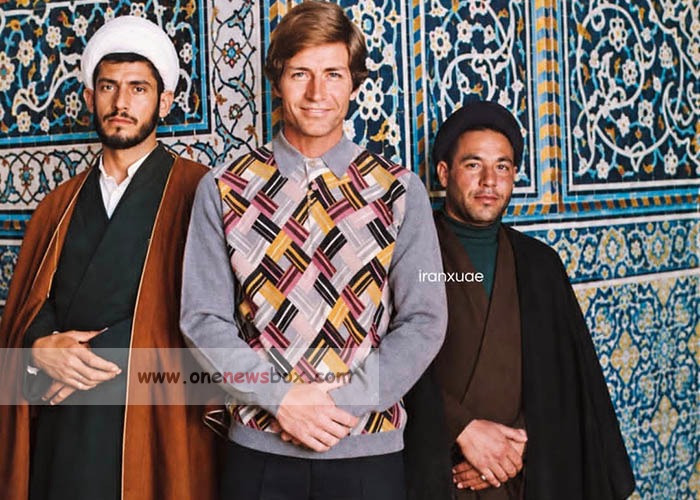
Under Mohammad Reza Shah Pahlavi, who ruled from 1941 until the 1979 revolution, modernization became a major feature of official government policy. The state promoted industrial development, urban expansion, and closer cultural and economic relationships with Western countries. Iran’s growing oil revenues supported investment and contributed to the expansion of a modern consumer economy, especially during the 1960s and 1970s.
One significant reform program was the White Revolution, launched in 1963. Its measures included land reform, literacy initiatives, and changes intended to reshape Iranian society. Although the reforms produced uneven results and generated political opposition, they contributed to the wider context in which social expectations and lifestyles were changing.
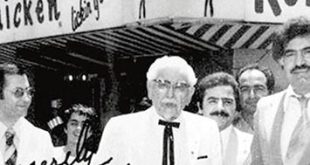
Tehran became the most visible center of these transformations. New commercial districts, modern apartment buildings, cinemas, hotels, restaurants, and department stores created spaces in which contemporary clothing could be displayed and purchased. European-inspired storefronts stood alongside traditional markets, illustrating the coexistence of different commercial and cultural worlds.