Introduction
In 2026, education systems in conflict-affected regions have undergone rapid and forced transformation. One of the most striking examples is Tehran, where schools have increasingly shifted from traditional classroom teaching to remote learning environments.
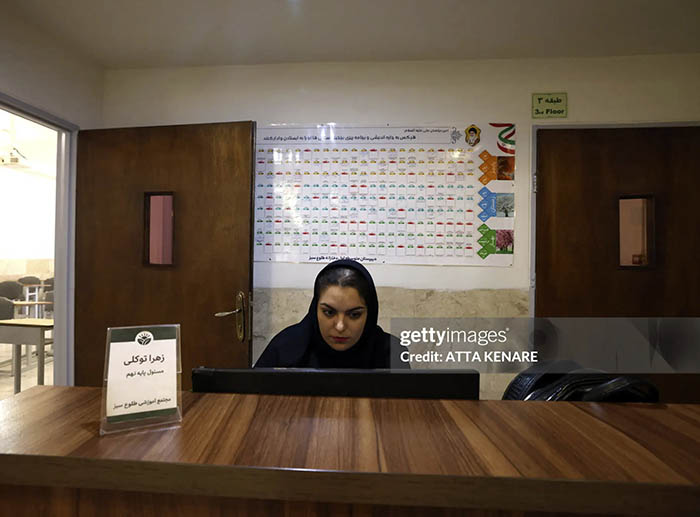
According to recent photo documentation and field reports, teachers in girls’ schools across Tehran are now conducting lessons via webcams, with students attending classes entirely online. Classrooms that were once physically full are now replaced by digital interfaces, laptops, and unstable internet connections.
Teachers such as Zahra Tavakoli, Paniz Mohammadi, and others are depicted conducting structured lessons from school buildings or remote environments, attempting to maintain educational continuity despite ongoing instability.
This shift reflects a broader global trend seen in conflict zones: when physical safety becomes uncertain, education does not stop—it adapts.