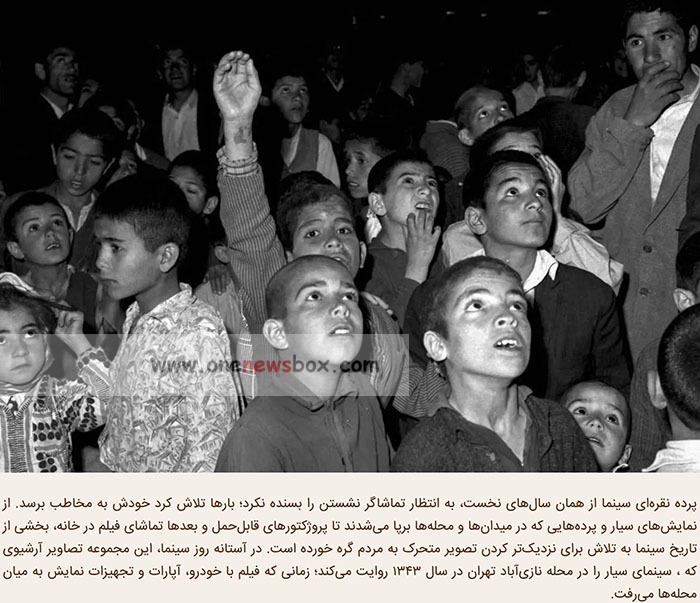
From the very beginning of its history, cinema has been more than an art form confined to a particular building or dependent on audiences gathering in a dark theater. The moving image has always possessed a remarkable ability to travel. While traditional cinemas invited people to come and sit before the screen, another important part of film history developed around the opposite idea: bringing the screen to the people. From the earliest traveling exhibitions and temporary screenings in public squares to portable projectors, mobile cinema units, and eventually films viewed in private homes, the history of cinema is closely connected to humanity’s continuing effort to make moving images accessible to wider audiences.
Long before cinema became an everyday part of urban life, watching a film was often an unusual and exciting experience. In many places, permanent movie theaters were limited to major cities, and large sections of the population had little or no access to them. Rural communities, small towns, industrial areas, military camps, and remote neighborhoods were frequently excluded from the cultural opportunities available in urban centers. Mobile cinema emerged as a response to this limitation. It transformed film exhibition from a fixed activity into a traveling cultural experience.