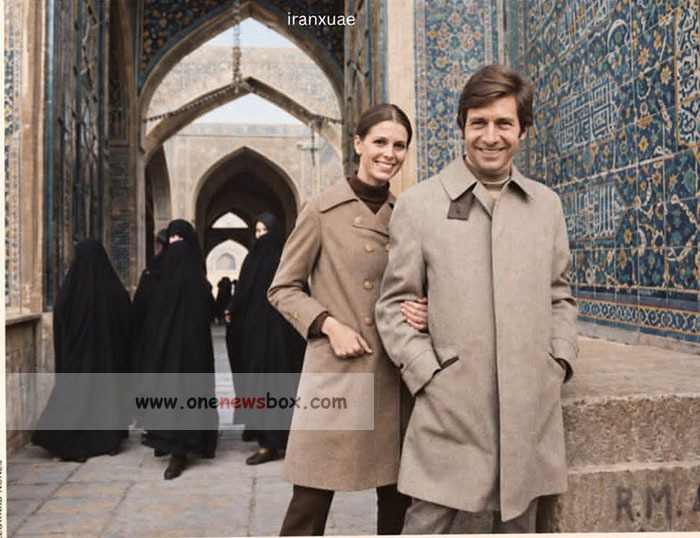
The decades preceding the Islamic Revolution of 1979 represented a remarkable period of social, cultural, and economic transformation in Iran. During the 1960s and 1970s, fashion became one of the most visible expressions of modernization, changing lifestyles, and the growing influence of European and American culture. Particularly in major urban centers such as Tehran, clothing reflected a combination of international fashion trends, local traditions, and the ambitions of a society experiencing rapid change. Parisian haute couture, American popular culture, European ready-to-wear clothing, and international fashion magazines all contributed to the development of a new style of dress among certain sections of Iranian society.
Fashion during this period was more than a matter of appearance. It represented changing ideas about femininity, masculinity, social status, youth culture, and national identity. For some Iranians, Western-inspired clothing symbolized progress, sophistication, and participation in a modern international world. For others, traditional garments continued to represent cultural heritage, religious values, and established social customs. These different attitudes existed simultaneously, creating a diverse and sometimes contradictory fashion landscape.
The royal family, especially Empress Farah Pahlavi, played a prominent role in shaping the public image of modern Iranian fashion. Meanwhile, fashion shows, department stores, boutiques, tailoring establishments, and international publications helped introduce new designs and trends. Women experimented with different skirt lengths, colorful dresses, tailored suits, and contemporary hairstyles, while men increasingly adopted Western-style suits, shirts, trousers, and casual clothing.