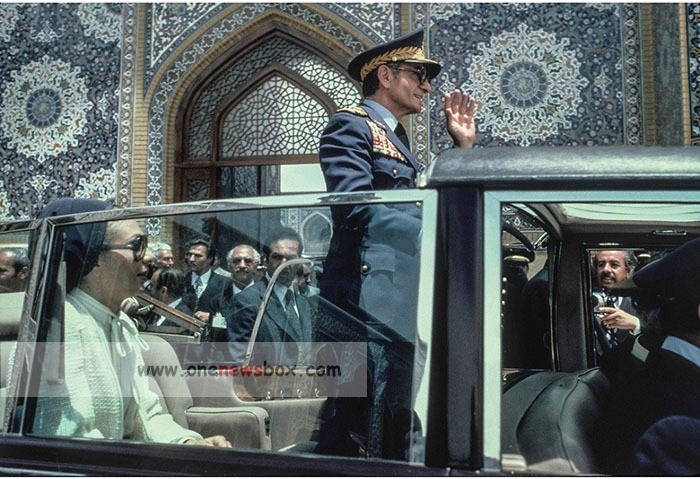
The reign of Mohammad Reza Shah Pahlavi, which began in September 1941 and ended with the Iranian Revolution of 1979, represented one of the most significant and controversial periods in modern Iranian history. His rule was characterized by extensive political transformations, economic development, military expansion, social reforms, and an increasingly centralized system of government. During these thirty-seven years, Iran experienced profound changes in its domestic institutions and international position. The Shah sought to transform Iran into a modern, industrialized, and powerful state capable of playing a leading role in regional and international affairs. Nevertheless, the modernization process was accompanied by political authoritarianism, restrictions on political participation, growing dependence on foreign military and technical assistance, and increasing tensions between the monarchy and various sectors of Iranian society.
When Mohammad Reza Shah ascended to the throne in 1941, Iran was experiencing a severe political and military crisis. British and Soviet forces had occupied the country during the Second World War, forcing his father, Reza Shah Pahlavi, to abdicate. The young monarch inherited a country whose sovereignty had been significantly compromised by foreign intervention and whose political institutions remained fragile. In the early years of his reign, the Shah possessed limited political authority and had to operate within a complicated environment involving parliament, political parties, foreign governments, and competing domestic interests.
Over time, however, the Shah succeeded in consolidating his power, particularly following the coup d’état of August 19, 1953, which overthrew Prime Minister Mohammad Mosaddegh. With substantial American and British support, the monarchy became increasingly powerful, and the Shah gradually transformed Iran into an authoritarian state centered on his personal leadership. His domestic policies focused on modernization and social transformation, while his foreign policy increasingly aligned Iran with the Western bloc during the Cold War. Although he later attempted to diversify Iran’s international relationships, particularly through closer cooperation with the Soviet Union, his relationship with the United States remained central to his political and strategic calculations.