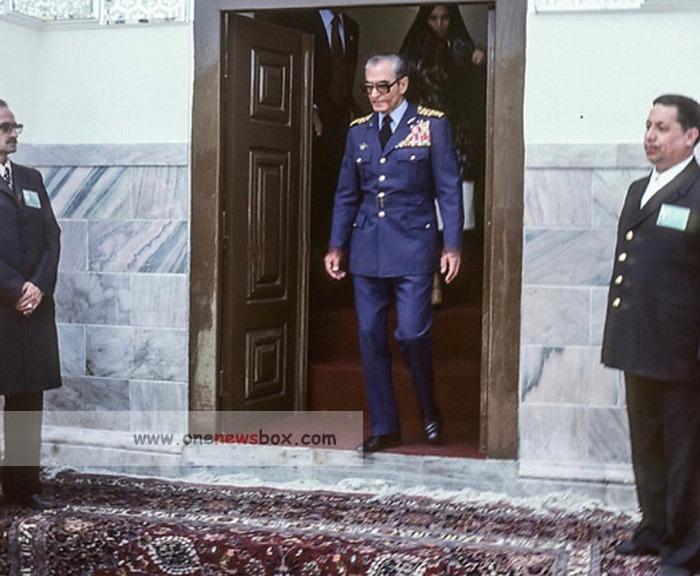
Despite these difficulties, the Shah continued to expand Iran’s educational, scientific, and cultural institutions. Universities were established or expanded, foreign educational partnerships increased, and scientific research received greater government attention. The development of modern hospitals, industrial facilities, roads, airports, and communication networks also contributed to significant changes in Iranian society.
However, the benefits of modernization were unevenly distributed. Economic inequality, corruption, rapid inflation, and the concentration of political and economic power created growing dissatisfaction. While some sections of society benefited from industrialization and expanding employment opportunities, others experienced economic insecurity and social displacement [99][100].
5. Iran’s International Position at the Beginning of the Shah’s Reign
When Mohammad Reza Shah came to power in 1941, Iran’s international position was extremely vulnerable. The country was occupied by Soviet forces in the north and British forces in the south. The occupation had begun during the Second World War because the Allied powers considered Iran strategically important for transporting military supplies to the Soviet Union and protecting their regional interests.
The occupation also reflected the importance of Iran’s geographical position and oil resources. Iran was situated between the Soviet Union, the Persian Gulf, the Middle East, and South Asia. Consequently, its territory represented a significant strategic asset for the major international powers.