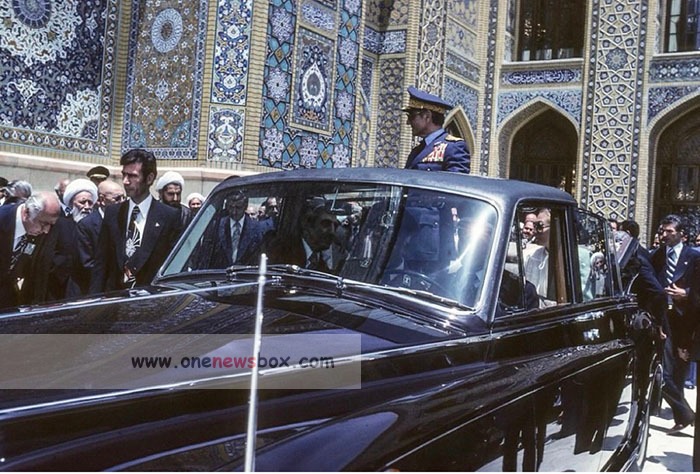
The coup, organized with the involvement of American and British intelligence agencies and supported by domestic political and military actors, resulted in the overthrow of Mosaddegh and the strengthening of Mohammad Reza Shah’s position. The Shah, who had temporarily left Iran during the crisis, returned to the country and gradually established a more centralized political system. The coup also significantly weakened nationalist political organizations and reduced the possibility of independent political participation.
Following 1953, the government increasingly restricted opposition parties and political movements. Nationalist organizations, particularly those associated with Mosaddegh and the National Front, faced surveillance, imprisonment, and political exclusion. The Tudeh Party also remained illegal and continued to operate under severe restrictions. Consequently, the political environment became increasingly dominated by the monarchy and its supporters.
3. The Establishment of a Two-Party System and the Creation of the Rastakhiz Party
Despite the growing centralization of political power, Mohammad Reza Shah initially attempted to maintain the appearance of a multiparty political system. In 1957, he concluded that the existence of two officially recognized political parties could provide an institutional structure for political participation while preserving the monarchy’s ultimate authority.