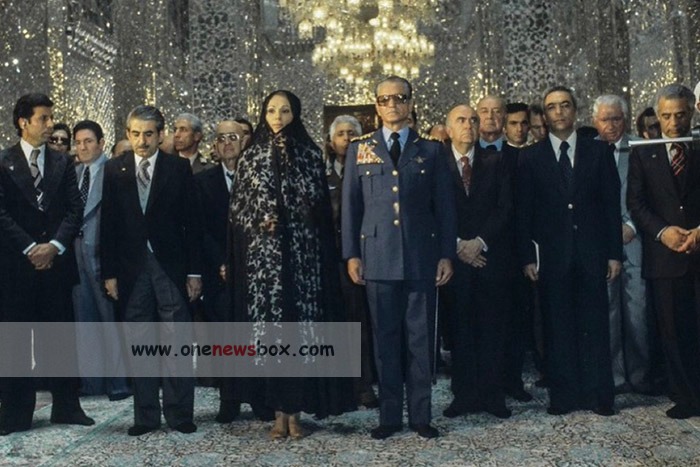
The presence of foreign troops severely restricted Iran’s political independence. Although the Shah formally occupied the throne, he lacked sufficient authority to determine the country’s foreign policy without considering the interests of Britain and the Soviet Union.
The withdrawal of British and Soviet forces in 1946 represented an important step toward restoring Iranian sovereignty. However, the experience of occupation had a lasting impact on the Shah’s political thinking. He became increasingly concerned about foreign intervention and the possibility that domestic political instability could threaten the survival of the monarchy.
During the early years of his reign, the Shah therefore sought to establish stronger relationships with Western governments, particularly the United States and Great Britain. These relationships were considered essential for strengthening Iran’s security, modernizing its armed forces, and protecting the monarchy against internal and external threats.
Britain traditionally preferred dealing with a centralized political authority rather than negotiating with a fragmented parliament and cabinet. The United States, meanwhile, increasingly viewed Iran through the strategic framework of the Cold War. American policymakers believed that a politically stable and strongly anti-communist Iran could serve as an important barrier against Soviet expansion in the Middle East.
As a result, American policy gradually favored the consolidation of the Shah’s authority. The United States considered the monarchy an effective instrument for maintaining regional stability and protecting Western interests.