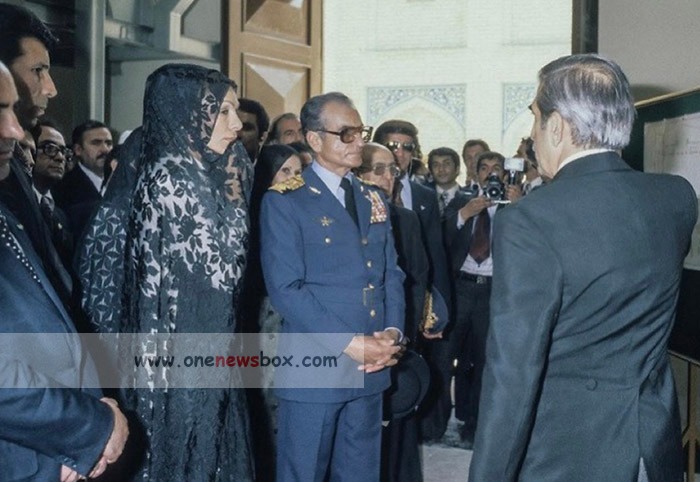
Another important aspect of the Shah’s modernization program concerned women’s rights. The government expanded educational opportunities for women and introduced reforms that increased their participation in public life. In 1963, women obtained the right to vote and stand for election. This development represented a major change in the legal and political position of women in Iran.
The government also promoted women’s participation in universities, professional occupations, and administrative institutions. These policies were part of a broader attempt to present Iran as a modern state in which traditional social restrictions were gradually being replaced by new legal and educational opportunities.
Nevertheless, the Shah’s social reforms encountered opposition from conservative religious leaders and traditional social groups. Some religious authorities considered the reforms incompatible with Islamic principles and viewed the government’s modernization policies as an attempt to weaken the influence of religious institutions.
The opposition became particularly significant in 1963, when Ayatollah Ruhollah Khomeini openly criticized the Shah’s policies and was subsequently arrested. Demonstrations and unrest followed, and the government responded with force. This confrontation revealed that the modernization program was not universally accepted and that the monarchy faced opposition from important religious and social institutions.